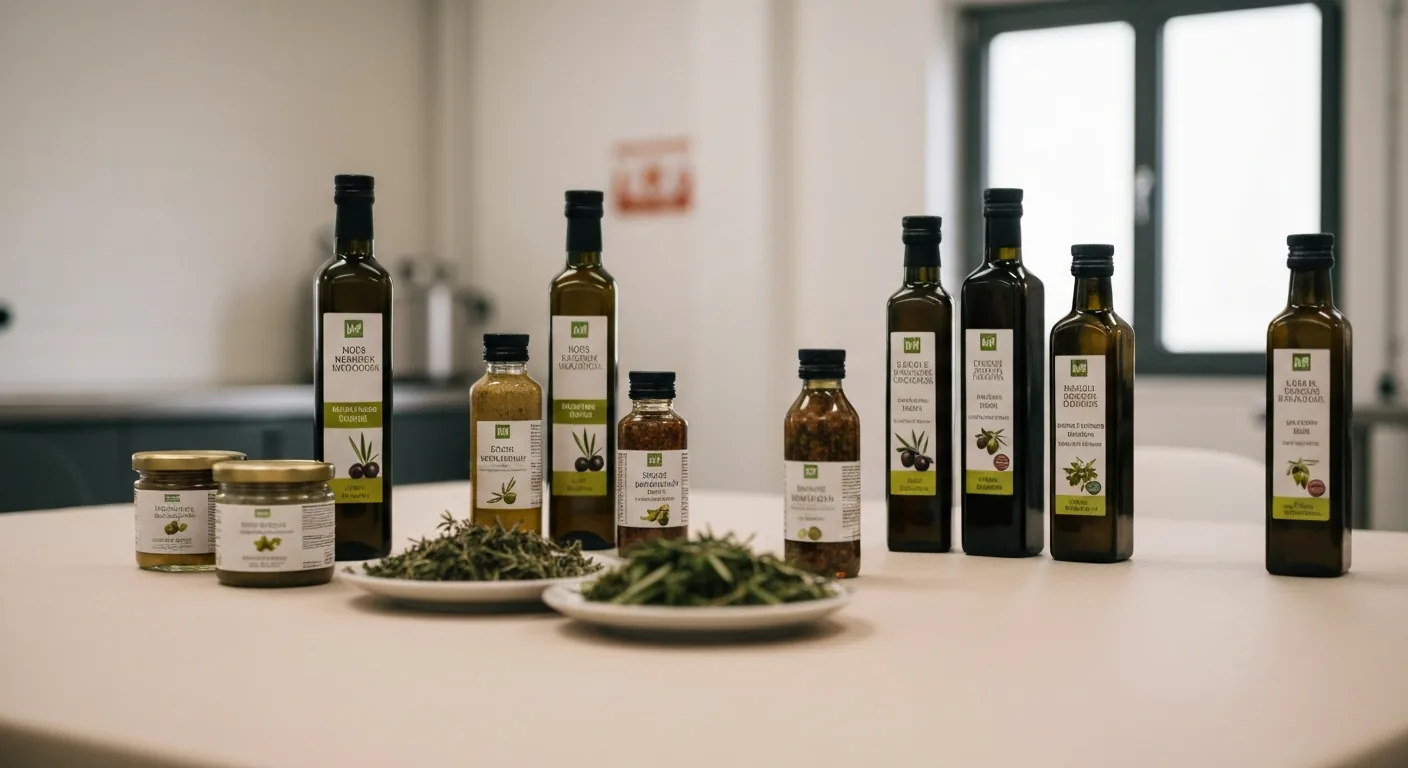
Turkey is one of the world's largest olive producers and exporters. As global demand for Mediterranean products grows, packaging technology has become a key competitive differentiator for olive and condiment producers targeting export markets.
Why MAP Is Essential for Olive Exports
Conventional brine-packed olives in glass jars have been the standard for decades, but thermoform MAP packaging is rapidly gaining ground in retail markets. Key advantages:
- Lighter weight reduces shipping costs by 40-60% vs glass
- Shelf life of 12-18 months at ambient temperature
- Better visual presentation on retail shelves
- Reduced breakage risk during transport
Gas Ratios for Olives
100% N₂ is the simplest option for olives in brine. For drier, seasoned olives where flavour protection is critical, 30% CO₂ + 70% N₂ provides additional microbial inhibition.
Export Compliance: EU and Gulf Standards
EU food contact material regulations require that films are certified under EU 10/2011. Gulf Cooperation Council (GCC) markets follow similar standards. Pipak Makina machines support CE-certified production lines compatible with international export requirements.
Condiments: FFS vs Thermoform MAP
Liquid condiments (ketchup, sauce, tahini) use FFS technology. Semi-solid or drained olives use thermoform MAP. Both technologies are available in Pipak Makina's product portfolio.
Frequently Asked Questions
What portion sizes are standard for retail olive packaging?
150g, 200g, 300g and 500g are the most common retail sizes. Export bulk packs range from 1-2 kg.
Does MAP affect the brine in olive packs?
No. The gas atmosphere sits above the brine layer and does not affect the liquid composition or salt content.