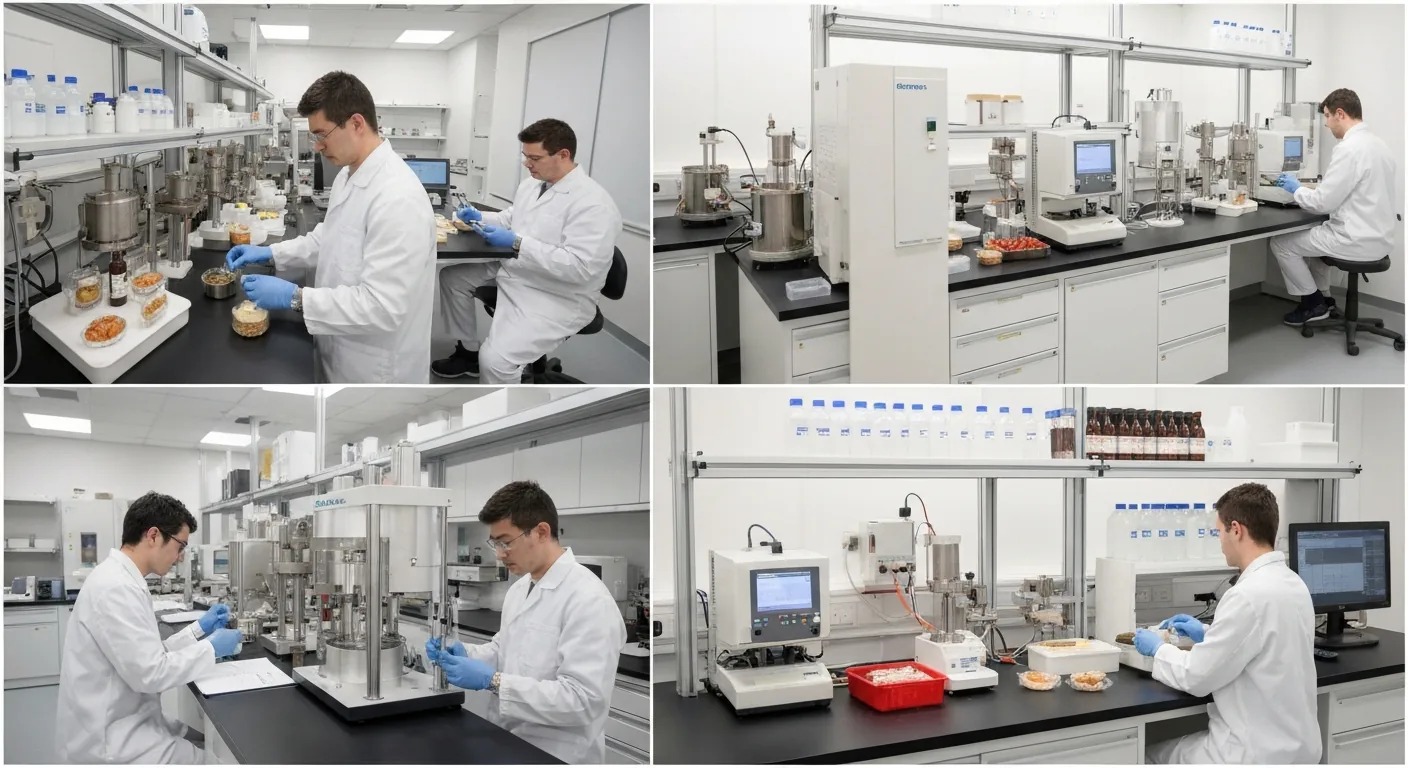
Shelf life extension through packaging is not magic — it is applied science. Understanding the microbiology and chemistry behind MAP technology helps food producers make better decisions about gas ratios, barrier materials and machine specifications.
The Science of Food Spoilage
Most food spoilage is caused by three mechanisms: microbial growth (bacteria, mould, yeast), oxidation (lipid rancidity, colour change) and enzymatic activity. MAP technology addresses the first two directly.
How CO₂ Inhibits Bacteria
CO₂ dissolves in water present in food, forming carbonic acid which lowers the pH at the product surface. This inhibits aerobic bacteria and mould spore germination. At concentrations above 20%, CO₂ also disrupts cell membrane function in bacteria.
The Role of Nitrogen
N₂ is inert and does not react with food or packaging. Its role is to fill the headspace after CO₂ is introduced, preventing pack collapse (CO₂ is absorbed by moist products over time) and maintaining the pack's visual appearance.
Practical Shelf Life Gains
| Product | Without MAP | With MAP |
|---|---|---|
| Fresh white cheese | 14–21 days | 60–90 days |
| Sliced salami | 21–30 days | 60–90 days |
| Cooked chicken | 5–7 days | 14–21 days |
| Olives | 60 days (brine) | 12–18 months (MAP) |
Frequently Asked Questions
Does MAP packaging eliminate the need for preservatives?
MAP significantly reduces the need for chemical preservatives in many applications, but does not eliminate it entirely. Regulatory requirements and product formulation determine the final approach.
Is the gas mixture in MAP packaging safe to consume?
Yes. The gases used (N₂, CO₂, O₂) are naturally present in the atmosphere and are approved by all major food safety authorities worldwide.